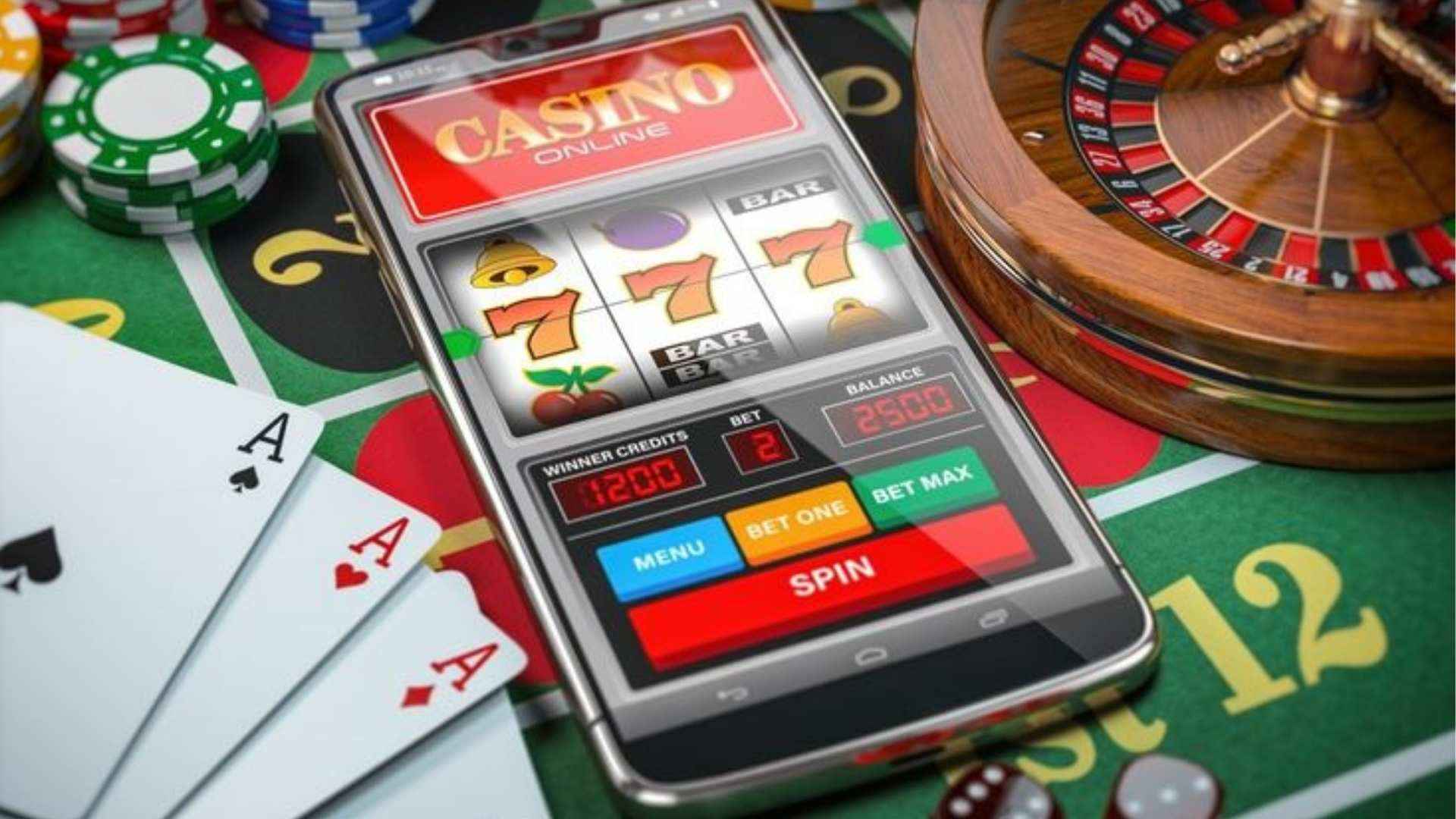
The world of tabletop entertainment is far more than a simple test of luck or random card draws. Modern players are increasingly drawn to table games that challenge their intellect, reward logical planning, and demand calculated risk management. Engaging with these games on a regular basis provides an immersive mental workout that hones critical thinking and enhances real-world decision-making skills.
The Cognitive Benefits of Tactical Play
Unlike standard arcade games that rely on rapid physical reflexes, strategic table options force participants to slow down and analyze their surroundings. Every turn presents a unique puzzle, requiring players to weigh immediate gains against long-term consequences and potential opponent moves. This continuous mental engagement helps sharpen cognitive flexibility and improves overall analytical skills in daily life.
Furthermore, managing limited resources under pressure teaches valuable lessons in patience and emotional control. Players quickly learn that hasty decisions often lead to unfavorable outcomes, prompting them to adopt a more methodical approach. This shift from reactive playing to active planning is a key marker of intellectual growth in gaming.
Classic Card Games and Statistical Discipline
Card-based table options remain some of the most effective tools for developing mathematical intuition and statistical discipline. Games like blackjack and baccarat require a solid understanding of probability, as players must constantly calculate the likelihood of specific cards appearing. Mastering these probabilities allows players to systematically reduce the house edge and make highly informed choices.
To put these tactical skills into practice and experience authentic gameplay, players can visit M88 Mansion to explore a wide variety of strategic setups. Engaging with platforms that emphasize strategic options allows you to test different mathematical systems in a controlled setting. This disciplined practice helps build the confidence needed to transition from a casual gaming novice into a truly proficient player.
Social Dynamics and Psychological Strategy
Another fascinating layer of smart gameplay involves understanding the subtle social cues and psychological strategies occurring around the table. Players must not only focus on their own hand but also observe their opponents' behavior, betting patterns, and emotional reactions. Deciphering these elements introduces a rich level of psychological depth that digital-only games often struggle to replicate.
Learning how to manage your own visible reactions while gathering subtle information from others is a highly sophisticated skill. This interactive element fosters genuine social connections and teaches valuable communication skills that extend far beyond the gaming table. It highlights why face-to-face table activities remain a preferred choice for building lasting memories and sharpening social intelligence.
Establishing Effective Bankroll Management
Perhaps the most critical aspect of encouraging smart gameplay is the strict implementation of structured bankroll management techniques. Successful players treat table games as a form of paid entertainment, setting clear financial boundaries before they begin playing. Establishing strict limits prevents emotional decision-making and ensures that the gaming experience remains entirely positive and sustainable.
By dividing your budget into smaller session limits, you can easily withstand natural variations in gameplay without experiencing unnecessary pressure. This disciplined financial approach mirrors real-world budgeting skills, reinforcing the practical value of tabletop strategy. Ultimately, keeping your stakes controlled ensures that you can focus fully on the intellectual challenge and sheer enjoyment of the game.